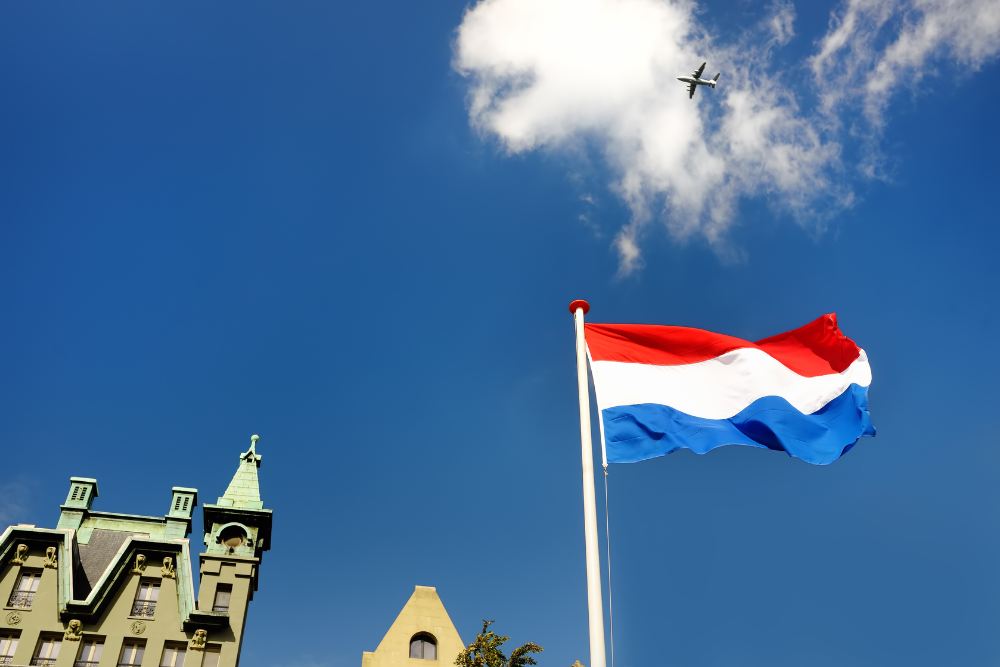
Netherlands has long been recognised for having one of the most mature pension systems in the world. Yet even a strong system can face strain when demographics shift, labour markets evolve, and public expectations change.
Why the Netherlands Needed Pension Reform
For decades, the Netherlands operated on a “Defined Benefit” (DB) model. It was solidary and generous, but it faced a growing sustainability crisis. As interest rates fluctuated and life expectancy rose, the “promises” made to retirees became harder to guarantee.
The primary problem was transparency and flexibility. Members didn’t know exactly what their “pot” was worth, and the system struggled to accommodate the modern “gig economy” worker. Younger contributors questioned whether they were subsidising older members, while retirees worried about benefit security. Over time, confidence weakened, and the system risked losing public trust. The Dutch government realized that to save the system, they had to move from collective pots to individualized, data-driven accounts – a massive shift requiring a total overhaul of their administration software.
How the Netherlands Designed the Future Pensions Act
Under the Future Pensions Act, the Netherlands shifted from collective guarantees to personalised pension accrual, supported by digital infrastructure. Pension assets remain collectively managed, but outcomes are now more directly linked to individual contributions and investment performance.
This model required advanced data systems, real-time reporting, and clear member communication. Funds had to redesign administration platforms and improve transparency so members could see how their pension evolved over time. Importantly, regulation played a strong coordinating role, ensuring consistency across funds while allowing flexibility in execution.

Implementation Challenges and Trade-Offs
Reform at this scale was complex. In the Netherlands, pension funds faced legacy IT systems, data migration risks, and the need to retrain both staff and trustees. Communication was also a challenge, as members needed reassurance during the transition period.
Political consensus helped sustain momentum, but the process demanded patience. Costs rose in the short term, and timelines were carefully phased to reduce systemic risk.
Similar Article: Malaysia’s Pension System: A Model for African Nations
The Wins: A New Era of “Pension-as-a-Service”
The frontrunners who have already switched are reporting significant victories:
- Market Stability: By moving to a Defined Contribution (DC) model, the system is now “ghost-proof” and resistant to interest rate shocks, ensuring the fund’s long-term survival.
- Real-Time Engagement: Members now have a “Pension Dashboard” that looks more like a banking app than a dry statement. They can see daily investment performance and run “what-if” scenarios for early retirement.
- Administrative Precision: Automation has reduced the “man-hours” required for compliance. By using AI “Knowledge Assistants,” funds have cut customer service wait times by 40%, even as inquiries about the new law increased.
Despite the hurdles, the results have been significant. In the Netherlands, pension participation remains high, member engagement has improved, and transparency has increased. Risk is now shared more equitably across age groups, and pensions are better aligned with modern employment realities.
What Africa (and Kenya) Can Learn
The Dutch experience is not a distant European story; it is a mirror for the reforms currently happening in Kenya with the NSSF and private schemes.
- Clean Data is Non-Negotiable: Africa’s biggest win will come from cleaning up member registries before they migrate. The Dutch “Data Quality Framework” is a template we must adopt to avoid “lost shillings.”
- Leapfrog the Legacy: Unlike the Netherlands, many African funds don’t have 40 years of “spaghetti code.” We have the opportunity to go straight to Cloud-Native, API-ready software like FundMaster, skipping the expensive “decoupling” phase the Europeans are suffering through.
- Focus on the User, Not the Fund: The win isn’t just a balanced book; it’s a member who feels in control. Integration with mobile money (M-Pesa) and digital IDs is our version of the Dutch “Single Registry.”